


🎥 New: Our first online video course! 🎥
Learn step by step how to weave on a rigid heddle loom, relaxed and with no prior experience.
From setting up the loom to your first row of fabric: all at your own pace, available anytime.
Our most popular products
-
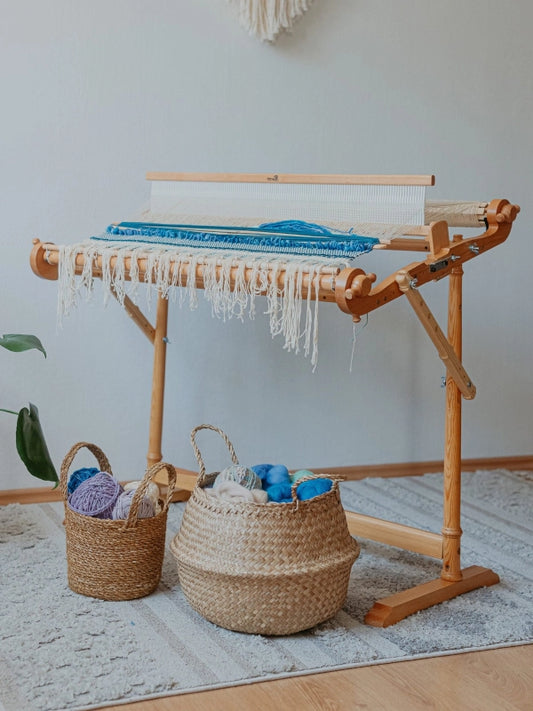
Kromski Harp Forte Loom
Regular price From 259,00€Regular price -
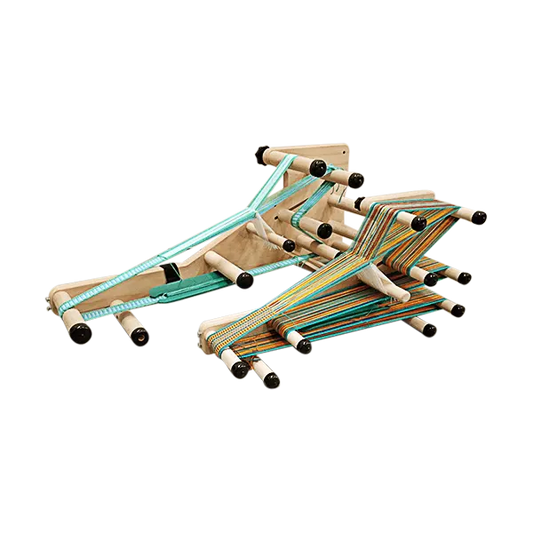
Lojan Inkle Loom, Card Weaving & Band Weaving
Regular price From 79,00€Regular price -
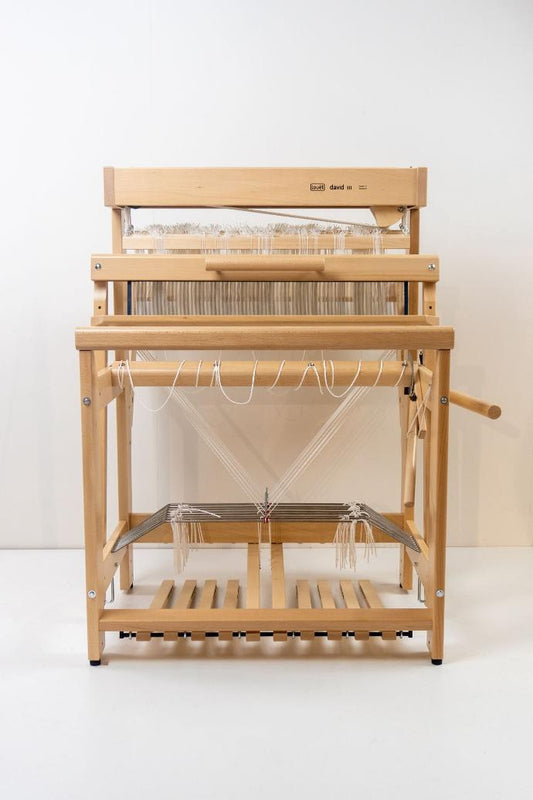
Louët David 3 Loom
Regular price From 3.572,00€Regular price -
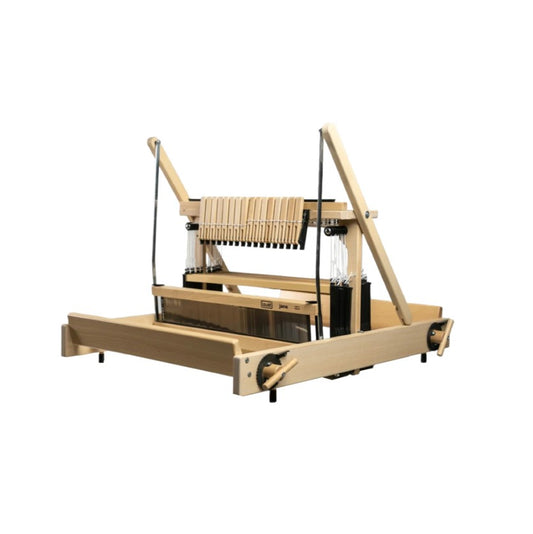
Louet Jane 8/16-Shaft Table Loom
Regular price From 1.093,00€Regular price
Let customers speak for us
Das Garn ist wunderbar. Die vielen Farben sind toll, man findet immer die passende Farbe für sein Projekt. Ich habe Geschirrtücher aus diesem Garn gewebt. Ich hatte noch nie so tolle saugstarke Geschirrtücher. Die Verarbeitung von diesem Garn ging gut von der Hand.

Ein ganz weiches Garn. Sehr gut als Kett- und Schussgarn. Lässt sich wirklich gut verweben.
Der Service war wieder einwandfrei. Gute Beratung und weil ich auf das ausverkaufte Garn etwas länger warten musste, gab es ein kleines Geschenk dazu. Bestelle gern wieder.

Ich habe den Louët David 3 bestellt und innerhalb der angegebenen Lieferfrist geliefert bekommen. Für den Aufbau habe ich 2 Tage gebraucht . Zu beachten ist, dass das Montageheft 78 Seiten lang ist und nur auf Englisch oder Niederländisch geschrieben ist. Mann sollte definitiv fliessend Englisch verstehen können, nur mit den Bildern wird es nichts. Ich habe dann parallel zum Montageheft noch die Anleitung von Louët auf Youtube geschaut. Somit hat die Montage recht gut funktioniert.
Der Webstuhl an sich, wenn er dann mal steht, ist ein Traum! Es lässt sich extrem leicht an ihm weben. Der Preis kann definitiv abschreckend wirken aber meiner Meinung nach, ist er es wert.

Sehr freundlich und hilfsbereit. Danke dafür.
Der Spulenwickler funktioniert so, wie er soll. Lies sich gut zusammenbauen und klemmt prima am Tisch

Alles top

Ich bin sehr zufrieden mit dem Webkamm. Der Zusammenbau war sehr einfach und es lässt sich gut damit weben. Dank der großartigen und freundlichen Beratung konnte ich als Anfängerin auch die passenden Litzen dazu bestellen. Der Kundenservice ist einfach Klasse.

5 Sterne für Lieferung und Bändchenwebrahmen.
Einfache Montage. Auch geeignet für breitere Bänder.

Moin, 😊absolut zufrieden, schnelle Lieferung , der Webrahmen ist leicht zu montieren.
Ich habe eine YouTube Anleitung genutzt.
Schöner, stabiler Webrahmen.

Sehr guter Service. Bei Unklarheiten wurde sofort informiert. Gerne wieder.
Es läuft prima. Bei dem Scheren der Kette muß man konzentriert bleiben aber dann ist es toll und macht viel Spaß

Bin bisher sehr gut zurechtgekommen. Die Anleitung ist verständlich, habe alles gut hinbekommen. Der Service ist auch sehr gut und sehr freundlich :)

Alles unproblematisch, tolles Produkt!

schnelle Lieferung - sehr guter Kundensupport - freundliche Beratung

Dieses Garn webe ich ich mit doppeltem Faden und als Kettgarn ein Leinen/ Baumwollgemisch ( ein glatter Faden als Kette ist sinnvoll bei Bouclewolle).
Geplant habe ich Handtücher und bin so gespannt auf das Ergebnis. Das Material fühlt sich sehr gut an, auf die Eigenschaften als Handtuch bin ich neugierig.
Die Struktur dieser Wolle ist wunderbar.

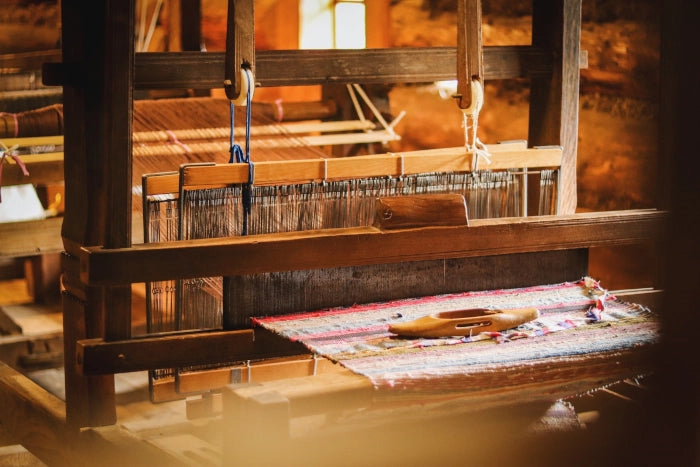
Renaissance of weaving
Weaving is becoming popular again throughout Europe. At the Berliner Webstühle we believe in the unique combination of craftsmanship , tradition and creativity . Our goal is to support weavers in developing their creative potential.
Guides
View all-

What tablet weaving is, why you should start on a loom rather than a backstrap, which yarn works and how your first band comes together. With tips from Vanessa, who...
Tablet Weaving for Beginners: How to Weave Your...
What tablet weaving is, why you should start on a loom rather than a backstrap, which yarn works and how your first band comes together. With tips from Vanessa, who...
-

The types of weaving shuttles, why to start with a stick shuttle, when a boat shuttle is worth it and how to wind bobbins neatly, even with a cordless drill.
Weaving Shuttles: Stick Shuttle or Boat Shuttle...
The types of weaving shuttles, why to start with a stick shuttle, when a boat shuttle is worth it and how to wind bobbins neatly, even with a cordless drill.
-

From what age children can weave, which loom suits which age, which yarn forgives small mistakes and why a first weaving does not have to be perfect.
Weaving with kids: how to get started
From what age children can weave, which loom suits which age, which yarn forgives small mistakes and why a first weaving does not have to be perfect.


